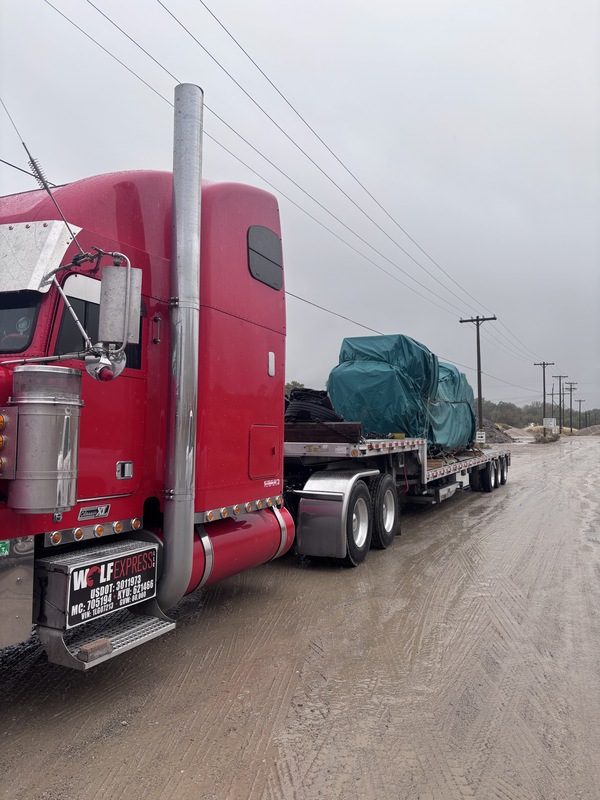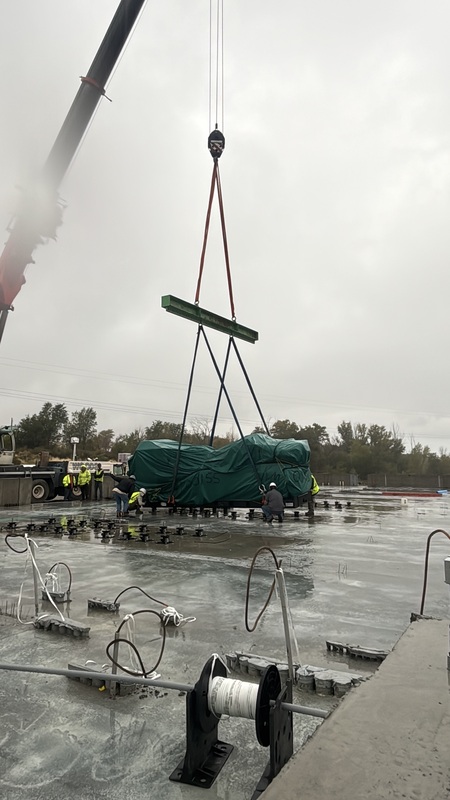
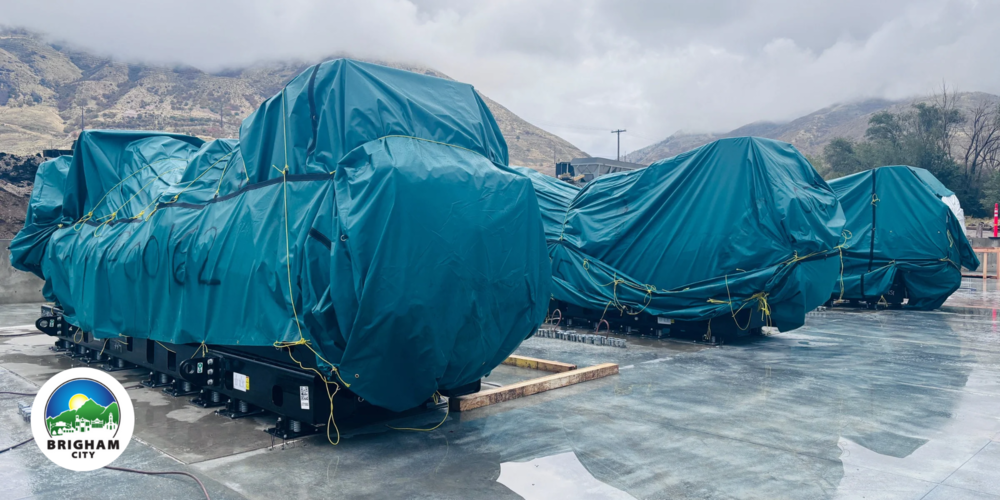
Crews moved three generators into place on Tuesday, October 13, a major step in the process of bringing a natural gas power plant to Brigham City.
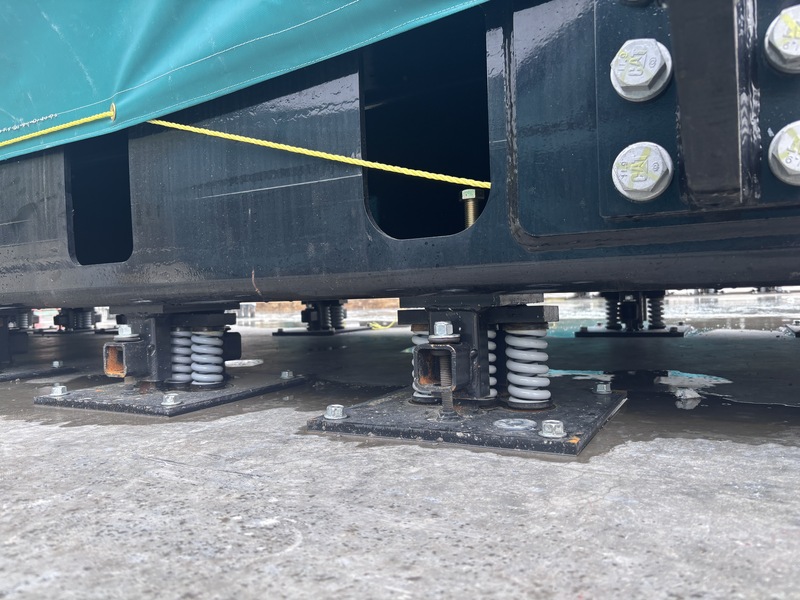
Each generator required its own semi truck to deliver it to the site northwest of Mayor's Pond. A large crane carefully maneuvered them into place on top of 18 springs, which will help protect the generators in case of earthquake.
Brigham City anticipates the plant will be operational in spring 2028. It will produce up to 7.5 megawatts of power, all of it "behind the meter," which means it does not rely on transmission lines owned by Rocky Mountain Power. All of the generation and storage assets are located within Brigham City.
The project came about for two major reasons. First, power prices have had some periods of volatility. Most residents will recall early 2023 when the city had a purchasing deficit of approximately $2.5 million. The City Council implemented a Power Purchase Adjustment Clause (PPAC) and set the initial rate at roughly 5 cents per kilowatt hour. In the years since, the deficit was eliminated and the rate stabilization fund was restored. The PPAC rate is currently 0 and Brigham City Public Power has entered into a variety of contracts to purchase power at stable prices, thus reducing our exposure to open market rates. Additional generation within the city helps us maintain stable pricing for more of our power.
Second, the city is growing but was unable to provide for the power needs of large businesses looking to locate here. The transmission lines are at capacity, which means there is no available space to bring more power to the city. So city leaders started looking for opportunities to generate more power within city limits. The natural gas plant will start with three generators but has space for three more to be installed at a future date.
The natural gas plant is currently the only generation project under construction in the city. Brigham City also operates a hydroelectric plant that supplies a small portion of the city's power. Other behind-the-meter projects could be considered in the future, including geothermal and nuclear generation and battery storage.
The plant is being funded primarily by a utility revenue bond approved by the City Council in late 2024.